Are Ceramic Braces a Good Option If You Want Something Less Visible Than Metal?
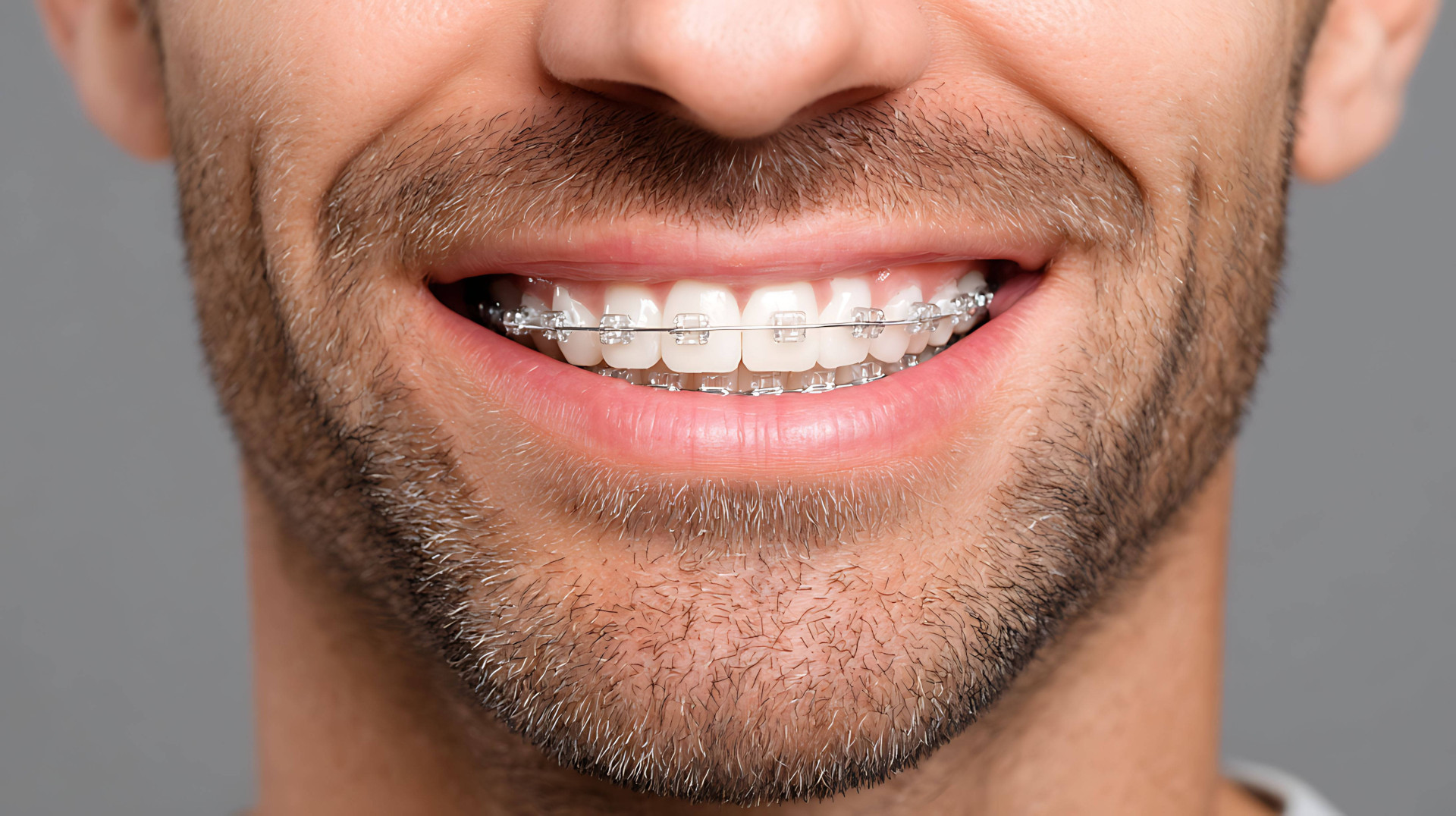
Ceramic braces are an excellent option if you want a less visible alternative to metal braces, especially for adults and image-conscious teens. The brackets are made from a tooth-colored ceramic material that blends in with your enamel, so they’re much harder to notice in photos and conversation. They treat the same range of cases that metal braces do, with a few trade-offs around cost, staining, and bracket size that you should understand before committing.
Why Patients Ask About Ceramic Braces
In my Willowbrook practice, I see this question almost every week. Adults who put off treatment for years often tell me the look of metal braces was the reason they waited. Teens going through high school or starting college care deeply about how braces will affect their photos, their social life, and their confidence. Both groups want the precision of a fixed appliance with a quieter appearance.
According to the American Association of Orthodontists, adult orthodontic patients now represent roughly 25 percent of all orthodontic cases in the U.S. (AAO, 2024). That shift has pushed demand for discreet treatment options, and ceramic braces are one of the best answers available today.
How Ceramic Braces Work
Ceramic braces use the same mechanics as metal braces. A bracket is bonded to each tooth, and a wire runs through those brackets to guide your teeth into position over time. The only meaningful difference is the material. Instead of stainless steel, the brackets are made from a translucent or tooth-colored ceramic that blends with your enamel.
The wire is still visible, though some patients opt for a tooth-colored coated wire to soften the look further. Elastic ties can be clear or white to keep the overall look subtle. The result is a fixed appliance that’s hard to notice in everyday settings without being completely invisible.
Key points about how they work:
- The treatment process is identical to metal braces
- Adjustment visits happen at the same intervals
- Treatment length is comparable, typically 18 to 30 months
- They can correct the same complexity of cases
The Visibility Advantage
Ceramic braces are significantly less noticeable than metal braces from normal conversational distance. In professional and social settings, most people won’t realize you’re in treatment unless they look closely.
This matters most for patients whose work or daily life puts them in front of people. I treat attorneys from Hinsdale, business owners from Burr Ridge, teachers from Willowbrook, and college students from across the area who all want to feel confident at work or in class. Ceramic braces let them get the orthodontic result they want without drawing attention to the process.
If invisibility is the absolute priority, Invisalign is the most discreet option I offer. But for patients whose case needs the control of a fixed appliance, ceramic braces are the closest you can get to invisible while still using brackets and wires.
Trade-Offs You Should Know
Ceramic braces are a great fit for the right patient, but they’re not perfect for everyone. Here are the honest trade-offs I cover in every consultation.
The trade-offs:
- Slightly larger brackets. Ceramic brackets are a touch bigger than modern metal brackets, because ceramic material needs more bulk for strength.
- Cost. Ceramic braces typically cost a few hundred dollars more than metal braces.
- Staining of elastic ties. The clear or white elastic ties that hold the wire in place can pick up color from coffee, red wine, tea, curry, and tomato sauce. They’re replaced at every visit, so the staining resets, but it can be noticeable between appointments.
- Brittleness. Ceramic is harder than metal but more brittle. Brackets can chip if you bite into something very hard. I coach patients on what to avoid.
- Best for upper teeth. Many orthodontists, including me, sometimes recommend ceramic on the upper arch (which is more visible when you smile) and metal on the lower arch (which is harder to see and tougher on bracket integrity). It’s a hybrid approach that balances aesthetics with durability.
Who’s a Good Candidate
Ceramic braces are a strong fit for adults who want a discreet fixed appliance, teens who care about how braces look in photos and on social media, and patients whose cases are too complex for clear aligners. They’re also a good option for patients who don’t want the daily responsibility of wearing aligners 22 hours a day.
They’re less ideal for patients who play contact sports without a mouthguard, anyone with significant teeth grinding, or patients who heavily consume staining foods and drinks and can’t moderate the intake. In those cases, I’ll walk you through alternatives that protect your investment.
What to Do Next
If ceramic braces sound like something you want to explore, the right next step is a consultation. I’ll examine your bite, review your records, and tell you honestly whether ceramic braces will deliver the result you want or whether another option (metal, self-ligating, or Invisalign) would serve you better.
You’ll leave the appointment with a clear recommendation, an honest treatment timeline, and a real cost estimate. No pressure to decide on the spot. Willowbrook Orthodontics serves patients from Willowbrook, Burr Ridge, Darien, Westmont, and Hinsdale, and I’d love to help you find the right fit.
A Note from Dr. Yue
I’ve been practicing orthodontics in the Chicago area for over a decade, and I’ve watched countless adult patients walk in nervous about how braces will look, then walk out at their final appointment with smiles they’re proud of. Ceramic braces have made that transition easier for so many of my Willowbrook patients. My team and I are here to help you weigh the options honestly and find what works best for your smile and your life.